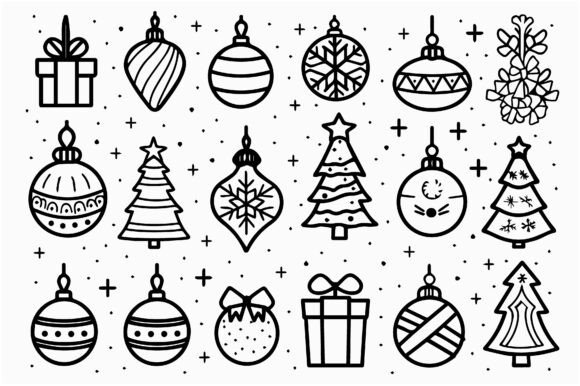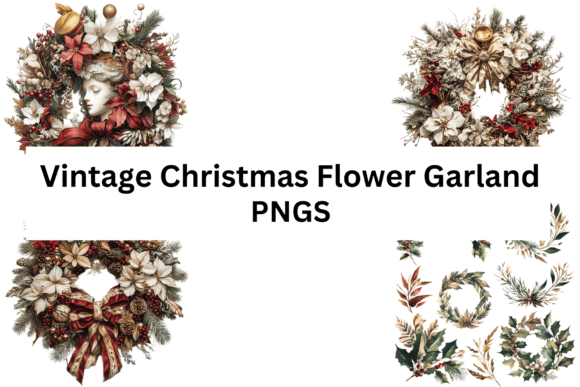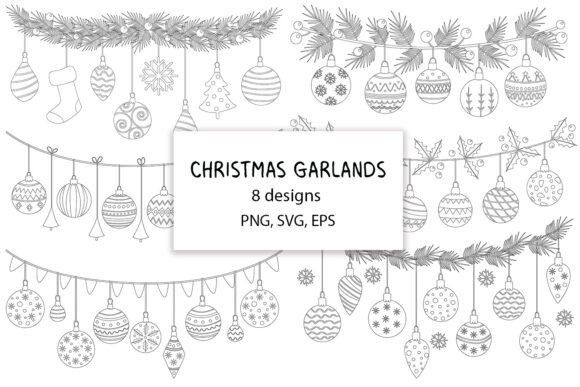
Reviewing the Christmas Garland Doodle Collection
As a designer who has spent countless hours staring at digitized previews and even more hours watching needles punch through fabric, I have learned to be skeptical of anything labeled "doodle." In the world of machine embroidery design, that term can sometimes signal loose, unrefined lines that look charming on a screen but turn into a tangled mess under the presser foot. However, after spending the last week testing the Christmas Garland Doodle Collection across various textiles and hoop sizes, I am ready to share my honest assessment of how these Illustrations hold up in real-world production.
First Impressions and Visual Personality
The immediate appeal of this collection lies in its relaxed, hand-drawn aesthetic. Unlike rigid, geometric holiday motifs that can feel sterile or mass-produced, these garlands possess a organic flow. The lines are not perfectly straight, and the leaves have a gentle irregularity that mimics actual botanical sketches. For an embroidery project aiming for a cozy, boutique feel, this visual personality is invaluable. It creates a mood of warmth and nostalgia rather than formal perfection.
When I first loaded the digital embroidery file into my software, I was looking for potential red flags: excessive jump stitches, overly dense clusters, or tiny details that might get lost. The layout here is surprisingly clean. The doodle style relies heavily on running stitch and light satin stitch work, which keeps the stitch density manageable. This is crucial because heavy density on a whimsical design often kills the playful vibe, making it look stiff and overworked.
Real-World Application: The Tote Bag Test
To truly evaluate utility, I moved beyond the screen. My test case was a custom order for a local boutique: a set of canvas tote bag design prototypes for their holiday gift wrap service. I chose a natural, unbleached cotton canvas as the base. This fabric choice is unforgiving; it shows every puckering issue and highlights any lack of precision in the embroidery file.
I selected one of the simpler garland arcs from the collection. The result was excellent. The open nature of the doodle allowed the texture of the canvas to breathe through the stitching. Because the design does not rely on massive fill stitch areas, there was minimal pull or distortion on the fabric. For an Etsy seller or small shop product creator, this translates to speed and reliability. You are not waiting twenty minutes for a single motif to stitch out, nor are you battling with hooping issues on thick material.
Versatility Across Product Lines
Beyond totes, I see strong potential for this collection in custom apparel. Imagine a subtle garland stitched along the cuff of a cream-colored sweatshirt or across the chest pocket of a flannel shirt. The sweatshirt embroidery market thrives on designs that feel personal and handmade rather than corporate. These doodles fit that bill perfectly. They also work well for baby embroidery projects, such as bibs or onesies, provided you scale them appropriately. The soft lines are gentle and appealing for nursery decor or personalized gift items.
For those creating embroidered patch products, these garlands can serve as beautiful borders or central motifs. However, you must be mindful of the edges. Since doodles often have trailing ends or loose leaves, ensure your digitizing software adds proper tack-down stitches if you plan to cut the patches out. Without that, the delicate ends may fray or lift during washing.
Technical Considerations and Fabric Constraints
While the collection is versatile, it is not without its limitations. Designers must exercise caution when working with challenging materials. On stretchy fabric like jersey knits, the open running stitches can cause the fabric to gather if the stabilizer is not robust enough. I strongly recommend using a cut-away stabilizer for any garment that will undergo frequent washing and wearing.
Similarly, be wary of using these designs on very dark fabrics if you are relying on subtle thread color variations. The doodle style depends on line clarity. If your thread colors do not contrast sufficiently with the background, the intricate loops and leaves will vanish into the darkness. Always test your design in a black-and-white mockup before committing to thread. This simple step saves hours of frustration and wasted materials.
Another critical factor is hoop size. Some of the larger, sweeping garlands in the collection may require re-hooping if you are working with smaller machines. Re-hooping introduces the risk of misalignment, which can ruin the continuous flow of the doodle. If possible, stick to the smaller, self-contained elements for 4x4 hoops, and reserve the expansive designs for 5x7 or larger frames.
Enhancing Brand Value and Customer Trust
From a business perspective, the quality of your design assets directly impacts perceived value. A sloppy, pixelated, or poorly stitched design erodes customer trust. Conversely, a clean, well-executed doodle garland elevates a simple handmade product into something special. It signals attention to detail and artistic intent.
For commercial embroidery professionals, consistency is key. This collection offers a cohesive look that can help build brand recognition. Whether you are selling holiday embroidery on tea towels or creating branded merchandise for a cafe, using a consistent stylistic theme helps customers identify your work. The Christmas Garland Doodle Collection provides that thematic glue without feeling repetitive.
Practical Designer Notes for Success
Before you launch your next campaign or list a new item, keep these practical tips in mind:
- Test on scrap fabric first: Never run a new design directly on your final product. Check for tension issues and thread breaks.
- Check thread contrast: Ensure your thread stands out against the fabric texture. Matte threads often look more authentic for doodle styles than shiny rayon.
- Review stitch density: If the design feels too heavy, consider reducing the density slightly in your editing software to prevent fabric stiffness.
- Confirm licensing: Always verify the license terms included with the digital embroidery file. Ensure you are cleared for commercial use if you plan to sell the finished product.
- Use proper stabilizer: Match your stabilizer to your fabric. Tear-away for stable wovens, cut-away for knits and stretchy materials.
In conclusion, the Christmas Garland Doodle Collection is a thoughtful addition to any designer’s library. It balances artistic charm with technical practicality. While it requires careful handling on difficult fabrics and attention to color contrast, its versatility makes it a valuable tool for creating memorable custom apparel, home goods, and gifts. For the craft business owner looking to add a touch of whimsical elegance to their holiday lineup, this collection delivers both style and substance.