Review: 8 Pages of Christmas Greenery Clipart for Stitchers
As a designer who has spent countless hours digitizing and stitching out holiday motifs, I approach new assets with a mix of excitement and skepticism. We all know the struggle of finding design assets that look beautiful on screen but translate poorly to thread. When I first opened the 8 Pages of Christmas Greenery Clipart, my immediate goal was not just to admire the aesthetics, but to determine if these illustrations could survive the rigorous demands of a real-world embroidery project.
The collection falls under the category of Illustrations, which immediately signals that these are likely vector-based or high-resolution raster images intended for versatility. For us in the craft world, this is a double-edged sword. While they offer creative freedom, they require careful preparation before becoming a usable machine embroidery design. Here is my practical breakdown of how this collection performs when moved from the digital canvas to the fabric hoop.
First Impressions: Mood and Visual Personality
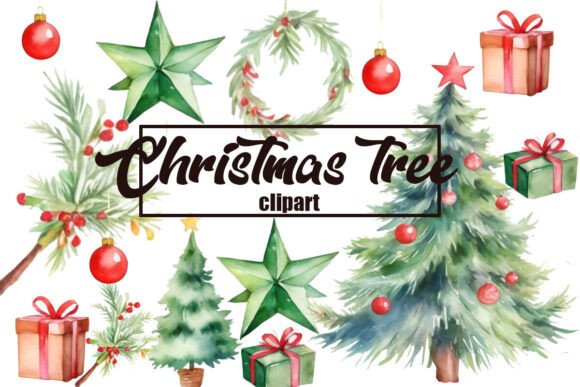
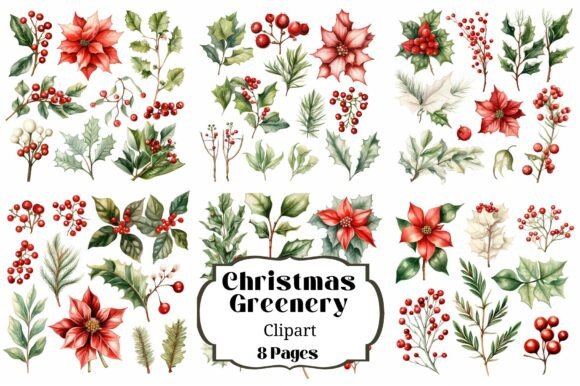
The initial visual impact of the 8 Pages of Christmas Greenery Clipart is one of organic elegance. Unlike the rigid, symmetrical wreaths that saturate the market, these designs feel hand-drawn and airy. The layout suggests a focus on natural growth patterns—sprigs of pine, holly leaves, and delicate berries arranged with intentional negative space. This is crucial for embroidery. Overly dense graphics often result in puckering and thread breaks, but the open nature of these illustrations suggests they would digitize well into a combination of satin stitch borders and light fill stitch centers.
The mood is distinctly festive without being kitschy. It feels appropriate for a boutique brand aiming for a modern, rustic aesthetic rather than a traditional, heavy-handed holiday vibe. For an Etsy seller or small shop owner, this visual personality is a significant asset. It allows for branding consistency across various products, from high-end home decor to casual apparel.
Real-World Application: From Digital File to Finished Product
To test the viability of these graphics, I mentally walked through several common production scenarios. Imagine preparing a custom tote bag design for a holiday market. The greenery motifs from this collection would work exceptionally well as a corner accent or a border along the bottom hem. Because the designs are part of a larger set of Illustrations, you have the flexibility to mix and match elements to fit different hoop size constraints.
Consider a sweatshirt embroidery project. A large, central motif might be too busy, but placing a smaller sprig from the clipart over the heart area creates a subtle, sophisticated look. The key here is scaling. Since these are clipart pages, you must ensure that when you scale them down for a left-chest logo, the details do not vanish. In my experience, simple line work translates better to small scales than complex shading.
For those creating personalized gift items, such as monogrammed napkins or baby embroidery on onesies, the softer lines of this greenery collection are ideal. They pair beautifully with script fonts, allowing the text to remain the focal point while the greenery provides a festive frame. This balance increases the perceived value of the handmade product, making it more appealing to buyers looking for quality over quantity.
Navigating Technical Challenges and Fabric Constraints
While the aesthetic appeal is high, using clipart for embroidery requires technical vigilance. These are not pre-digitized embroidery file formats like PES or DST; they are visual references. This means you, or your digitizer, must convert them. Here is where caution is necessary.
Fabric texture plays a massive role in how these designs will look. On a smooth cotton twill, the fine lines of the greenery will crisp up nicely. However, on a textured linen or a fluffy fleece, small details may get lost. If you are working with stretchy fabric like jersey knits for t-shirts, you must use a cut-away stabilizer to prevent distortion. The open spaces in the greenery design help reduce pull, but density management is still critical.
Be particularly careful with dark fabric. If the original clipart uses subtle shades of green, you need to adjust your thread colors for contrast. A dark forest green thread on a black sweatshirt will disappear. In such cases, consider using metallic gold or bright red accents for the berries to make the design pop. Always test your digitized version on scrap fabric first. Check the stitch density; if it is too high, the fabric will pucker. If it is too low, the backing will show through.
Commercial Viability and Brand Trust
For commercial embroidery professionals, the clarity of the source image matters. The 8 Pages of Christmas Greenery Clipart offers clean lines that simplify the digitizing process. This efficiency can lower your production time, allowing you to take on more orders during the busy holiday season. Furthermore, using unique, non-generic designs helps build brand recognition. Customers are more likely to remember a shop that uses distinctive, artistic greenery rather than the same stock wreath everyone else is using.
When creating printable mockup previews for your online store, these illustrations allow for versatile marketing materials. You can showcase the design on various products digitally before stitching a single thread, helping customers visualize the finished product. This transparency builds trust and reduces return rates.
Practical Designer Notes for Best Results
Before you commit to a full production run using these assets, keep these practical tips in mind:
- Verify Licensing: Ensure the license for the clipart allows for commercial use in physical goods. Some digital licenses restrict usage to digital-only products.
- Digitize with Care: Do not simply auto-digitize. Manually assign stitch types. Use running stitch for fine stems and satin stitch for broader leaves to maintain definition.
- Check Contrast: View your design in black and white. If the details merge into a blob, you need to simplify the design or increase the size.
- Test on Curved Surfaces: If applying to caps or curved patches, remember that the design will distort slightly. Keep the greenery motifs centered and avoid placing critical details near the edge of the hoop size.
- Wash Testing: Always wash and dry a sample item. This ensures the thread colors do not bleed and the stabilizer does not leave a stiff residue.
In conclusion, the 8 Pages of Christmas Greenery Clipart is a strong resource for designers who understand the bridge between illustration and embroidery. It offers the artistic freedom needed to create unique custom apparel and home decor, provided you respect the technical limitations of the medium. By treating these illustrations as a starting point for careful digitizing and testing, you can elevate your holiday offerings and deliver professional-quality results that customers will cherish.