Cats Gone Crazy Christmas Tree Design: Illustrations
As a brand designer who has spent the last decade helping local businesses transition from kitchen-table operations to shelf-ready products, I have developed a keen eye for what makes a graphic design asset truly work in the wild. It is not just about aesthetics; it is about application. When I first pulled up the Cats Gone Crazy Christmas Tree Design, my immediate reaction was one of delighted surprise. This is not your standard, sterile holiday clipart. It possesses a distinct personality that feels both chaotic and charming, striking a balance that is increasingly difficult to find in modern digital marketplaces.
The mood this piece creates is undeniably playful and festive, yet it retains a level of artistic integrity that suggests a handmade or boutique origin. For small business owners, particularly those in the handmade soap, artisanal bakery, or independent gift shop sectors, this kind of visual language is gold. It signals to the customer that the brand behind the product is approachable, fun, and human. It does not scream "corporate giant"; instead, it whispers "local favorite." This distinction is crucial for building the emotional connection that drives loyalty in competitive local markets.
Elevating Product Packaging and Label Design
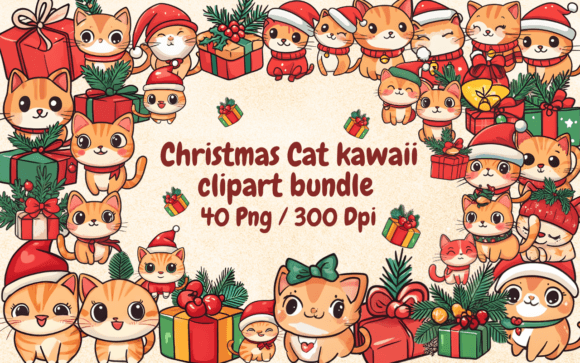
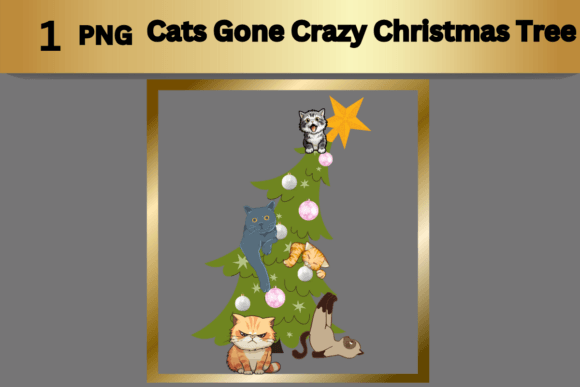
Let us talk about practical application. Imagine you are launching a limited-edition peppermint hot chocolate mix for the holidays. Your packaging is simple: a clear cellophane bag with a kraft paper label. Without strong visuals, this product gets lost on a crowded shelf. By integrating the Cats Gone Crazy Christmas Tree Design as the hero graphic on your product label, you instantly create a focal point. The whimsical nature of the cats interacting with the tree draws the eye, while the festive theme communicates seasonality without needing excessive text.
In terms of visual hierarchy, this illustration works best when given breathing room. I recommend using it as a central accent on square or circular stickers. For food businesses, such as a local cookie boutique, this asset can be printed on thank-you cards included in every order. It transforms a transactional moment into a memorable brand experience. The detail in the illustration holds up well in print, provided you are using high-resolution PNG design files or scalable SVG design formats. Always test your print quality on the actual material you intend to use, whether it is matte vinyl, glossy paper, or textured cardstock.
Strategic Use in Social Media and Marketing Visuals
Beyond physical packaging, this asset is a powerhouse for digital presence. Social media managers and creative entrepreneurs know that consistency is key to professional branding. Using the Cats Gone Crazy Christmas Tree Design across your Instagram stories, Facebook headers, and email newsletters creates a cohesive holiday campaign. It acts as a visual anchor that ties your promotional ads together.
For web design purposes, this illustration can serve as a decorative element in your website banner during the holiday season. It adds warmth and character to your homepage, making visitors feel welcome. However, be mindful of file size and loading speeds. If you are using this in a Canva template for quick social posts, ensure that the transparency of the PNG file is clean so it blends seamlessly with your brand colors. Do not let the background of the image clash with your existing palette. Instead, use color adjustment tools to harmonize the illustration with your primary and secondary brand hues.
Where Caution Is Required
While I am a strong advocate for this piece, it is not a one-size-fits-all solution. There are specific contexts where this design should be used carefully or avoided entirely. First, if you are operating a luxury minimalist brand that relies on stark whitespace and serif typography, this playful illustration may compete with your established aesthetic. It could dilute the premium perception you have worked hard to build.
Additionally, avoid placing this complex illustration on very small labels where detail will be lost. If your product label is smaller than two inches in diameter, the intricate details of the cats and the tree may become muddy and indistinguishable. In such cases, consider using a simplified version or cropping the image to focus on a single element. Furthermore, do not place this graphic over areas dense with legal information or ingredient lists. The busy nature of the design can make small text difficult to read, which is not only bad for user experience but potentially non-compliant with labeling regulations.
Practical Notes for Brand Designers
Before you commit to using this asset for client work or your own business branding, run through this checklist. First, verify the commercial license. Ensure that the creative marketplace where you purchased the file grants you the rights for physical product sales and unlimited digital impressions. Nothing ruins a launch like a copyright dispute.
Next, test the asset in black and white. While the color version is vibrant, you may need a monochrome version for cost-effective printing on certain packaging materials. Check how the lines hold up without color saturation. Then, preview the design alongside different font styles. I found that this illustration pairs surprisingly well with bold sans serif fonts for a modern look, but it also complements handwritten script fonts for a more rustic, homemade feel. Avoid pairing it with overly ornate display fonts, as this can create visual clutter.
Finally, compare your mockup with competitor packaging. Does your design stand out? Does the Cats Gone Crazy Christmas Tree Design help tell your brand story more effectively than a generic snowflake or star? If the answer is yes, then you have found a winner. This graphic design asset is more than just a pretty picture; it is a tool for stronger first impressions, better product recognition, and improved customer trust. Use it wisely, and it will serve your local business well throughout the holiday season and beyond.