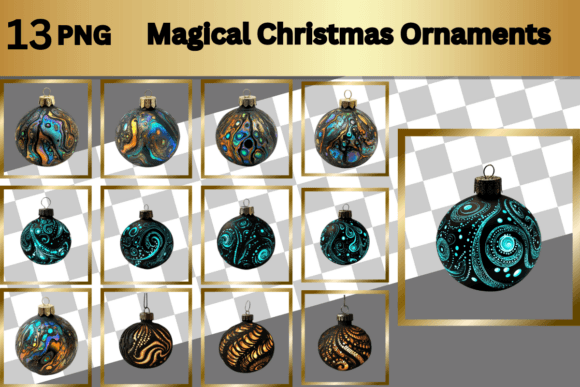
Art Deco Box & Ornaments: Premium Illustrations
As a brand designer who has spent years refining visual identities for lifestyle brands and digital product creators, I approach every new graphic design asset with a critical eye. It is not just about aesthetics; it is about function, perception, and alignment with business goals. Recently, I evaluated the Art Deco Box with Christmas Ornaments for a potential holiday campaign, and the results were striking. This piece is more than just seasonal clipart; it is a strategic tool for elevating professional branding during the busiest retail quarter of the year.
First Impressions: Mood and Audience Perception
The immediate impact of this asset is one of refined nostalgia. Unlike the chaotic, overly bright visuals that often clutter social feeds in December, the Art Deco Box with Christmas Ornaments exudes sophistication. The geometric lines typical of the Art Deco era provide structure, while the ornaments add a touch of festive warmth without sacrificing elegance. For brand owners targeting an audience that values quality and heritage, this mood is invaluable. It signals that your brand is established, thoughtful, and premium.
This aesthetic works exceptionally well for handmade products, luxury lifestyle content, and editorial graphics. It avoids the "messy" look that can plague amateur marketing visuals, offering instead a clean, curated appearance that builds audience trust. When customers see this level of visual consistency, they subconsciously associate it with reliability and high value.
Integrating into Real Marketing Workflows
To test its versatility, I imagined a scenario where a small business owner is launching a limited-edition holiday gift set. The Art Deco Box with Christmas Ornaments becomes the anchor for the entire brand identity refresh. Here is how it performs across various channels:
- Packaging Design: The asset serves as a perfect centerpiece for product labels or box inserts. Its balanced composition ensures it does not overwhelm essential text like ingredients or instructions.
- Social Media Graphics: For Instagram posts and Pinterest pins, the illustration provides a strong focal point. It stands out in the feed because of its distinct style, driving higher engagement compared to generic stock photos.
- Digital Ads: In Facebook and Instagram ads, clarity is key. This illustration maintains its integrity even when scaled down, ensuring the message remains clear on mobile screens.
- Email Banners: Using this asset in holiday newsletters creates a cohesive experience from the inbox to the website, reinforcing small business branding at every touchpoint.
Whether you are creating a Canva template for clients or designing a standalone digital product, this asset integrates seamlessly. It supports content marketing efforts by providing a visual hook that draws readers into blog headers or lead magnets.
Strategic Benefits for Brand Communication
The primary advantage of using the Art Deco Box with Christmas Ornaments lies in its ability to establish a clear visual hierarchy. In crowded marketplaces, standing out requires more than just color; it requires distinctive shape and style. This asset helps create memorable campaign visuals that resonate emotionally with viewers. It bridges the gap between festive cheer and corporate professionalism, making it suitable for both B2C and certain B2B contexts where relationship-building is key.
Furthermore, it enhances product presentation. By framing your offer within such a stylish border or background element, you elevate the perceived value of the item being sold. This is crucial for online coaches launching holiday workshops or product creators releasing end-of-year bundles. The design suggests that the content inside is equally polished and valuable.
Where to Use It and Where to Exercise Caution
This design asset shines in hero graphics, campaign headers, and decorative brand elements. It is ideal for promotional banners and event flyers where the goal is to capture attention quickly. However, a seasoned designer knows that every tool has its limits. You should use this asset carefully in formal corporate branding that relies on strict minimalism, as the Art Deco details might clash with ultra-modern, sparse aesthetics.
Avoid placing it over dense information layouts or text-heavy ads. The intricate lines of the box and ornaments can compete with small print, reducing readability. Additionally, be mindful of low-contrast backgrounds. If the asset is dark, ensure it sits on a light background, and vice versa, to maintain visibility. It is not suitable for designs where the asset distracts from the main call-to-action.
Practical Designer Notes for Implementation
Before deploying the Art Deco Box with Christmas Ornaments in a paid campaign, I recommend several technical checks. First, test it against your existing brand color palette. While it may come in standard colors, adjusting hues to match your brand guidelines ensures consistency. Check how it looks in black and white, as this is often required for cost-effective printing on packaging or merchandise.
Preview the asset on mobile screens to ensure details remain sharp. If you are using it as an SVG design or PNG design, verify that the resolution holds up at different sizes. Pairing is also critical. This illustration pairs beautifully with serif fonts for a classic look, sans serif fonts for a modern twist, or script fonts for a personal touch. Avoid overly decorative display fonts that might fight for attention with the Art Deco lines.
Finally, always review spacing and balance. Ensure there is enough breathing room around the asset so it does not feel cramped. And most importantly, confirm the commercial license terms. Whether you are using it for client work, digital sales, or internal marketing, understanding the usage rights is non-negotiable for professional practice. Sourcing from a reputable creative marketplace ensures you have the legal clearance to use these design assets confidently.
In conclusion, the Art Deco Box with Christmas Ornaments is a powerful addition to any marketer’s toolkit. It offers a blend of historical charm and modern utility that can significantly enhance visual content creation. By understanding its strengths and limitations, you can leverage this illustration to create campaigns that are not only visually stunning but also strategically sound.